
Table of Contents
- Introduction
- Why Does a Sump Pump Need Backup Power?
- How Much Power Does a Sump Pump Need?
- Can a Portable Power Station Run a Sump Pump?
- What Size Portable Power Station Do You Need for a Sump Pump?
- How Long Can a Battery Backup Run a Sump Pump?
- Portable Power Station vs Battery Backup Sump Pump
- How to Prepare Your Sump Pump Before Storm Season
- Why Choose FOSSiBOT for Sump Pump Backup Power?
- FAQ
- Conclusion
Introduction
For many homeowners, a sump pump is something they rarely think about — until a major storm arrives. Heavy rain and severe weather can flood a basement quickly, but power outages often strike at the same time, leaving your pump useless. Without it, water damages furniture, flooring, and appliances, and can lead to costly mold remediation. That is why reliable backup power is essential. Traditional gas generators work, but portable power stations offer a cleaner, quieter, and more versatile alternative. In this guide, we will cover sump pump power needs, how to choose backup, and whether a portable station can protect your basement.

Why Does a Sump Pump Need Backup Power?
Storms and Power Outages Often Happen at the Same Time
A sump pump is designed to protect your basement from water damage by removing water that collects in a sump pit beneath your home.
However, many of the situations that create flooding risks are also situations where the power grid can fail.
Common examples include:
- Heavy thunderstorms
- Hurricanes and tropical storms
- Flooding events
- Winter storms
- Severe winds that damage power lines
This creates a dangerous situation: rainwater may be entering your basement while your sump pump has no electricity to operate.
For homeowners living in areas with frequent storms, having emergency power for a basement sump pump can provide an important layer of protection.
What Happens When Your Sump Pump Stops Working?
A sump pump does not need to run all the time. In normal conditions, it only activates when water reaches a certain level inside the sump pit.
During a storm, however, the pump may need to operate frequently.
If the power goes out, several problems can happen:
- Water begins accumulating in the basement
- Storage areas may become damaged
- Electrical equipment may be exposed to water
- Mold and mildew risks increase
- Repair costs can become significant
For many families, preventing basement flooding is much cheaper and easier than dealing with water damage afterward. A $500–$1,500 investment in backup power can save you from a $20,000+ insurance claim and subsequent premium hikes.
That is why many homeowners consider battery backup for sump pumps or portable power stations as part of their storm preparation plan.
How Much Power Does a Sump Pump Need?
Before choosing backup power, it is important to understand your sump pump's electricity requirements.
Typical Sump Pump Wattage Requirements
Sump pumps are usually rated by horsepower (HP), such as:
- 1/3 HP
- 1/2 HP
- 3/4 HP
The actual power consumption depends on the specific model, but most residential sump pumps require lower power while running and higher power when starting. The startup power is important because pump motors often require extra energy for a few seconds when they turn on — this is called surge wattage (or starting wattage), and it can last 1–3 seconds. Running wattage is the consistent power needed once the motor is turning.
Here is a general reference for residential sump pumps:
|
Pump Size |
Running Wattage |
Surge/Startup Wattage |
|
1/3 HP |
600 – 800 W |
1,200 – 1,800 W |
|
1/2 HP |
800 – 1,050 W |
2,000 – 2,500 W |
|
3/4 HP |
1,000 – 1,400 W |
3,000 – 4,000 W |
When choosing backup power for a sump pump, you should check:
- Running wattage
- Startup/surge wattage
- Expected runtime during an outage
A backup solution that only matches the running wattage may still fail if it cannot handle the motor's startup demand.
Why Surge Power Matters for Pump Motors
Unlike simple electronics such as lights or phones, sump pumps use electric motors. Motor‑driven devices often require additional power when starting. This means your backup power source should provide enough continuous output, surge power capability, and stable AC electricity. For example, a portable power station with a higher inverter output can handle sudden power demands more effectively than a smaller battery pack designed only for low‑power devices.
How to Estimate Runtime
You can estimate how long a backup battery will last using this formula:
Estimated Runtime (hours) = [Battery Capacity (Wh) × Inverter Efficiency (0.85)] ÷ Pump Running Wattage
For example, a 2048Wh power station running a 1/2 HP pump (~950W) would provide approximately 1.8 hours of continuous runtime. However, sump pumps cycle on and off. If your pump runs 20% of the time (12 minutes per hour), that same battery could last over 9 hours during a storm.

Can a Portable Power Station Run a Sump Pump?
Yes, a portable power station can run a sump pump if it provides enough output power and battery capacity.
A portable power station works by storing electricity in a large battery and converting it into household AC power through an inverter.
Compared with traditional gas generators, portable power stations offer several advantages:
|
Portable Power Station |
Gas Generator |
|
|
Quiet operation |
Loud engine noise |
|
|
No gasoline storage |
Requires fuel |
|
|
Low maintenance |
Regular maintenance needed |
|
|
Indoor‑friendly design |
Usually must operate outdoors |
|
|
Can recharge with solar |
Requires fuel supply |
For emergency situations, a portable power station for sump pump can be a convenient option because it is ready to use whenever the grid goes down.
What Size Portable Power Station Do You Need for a Sump Pump?
The right size depends on your sump pump and how long you need backup power.
The two most important specifications are:
1. Output Power (Watts)
The power station must support your pump's running and startup requirements. For many residential sump pumps, a higher‑output model provides more flexibility.
Recommendation by pump size:
- 1/3 HP pump: Look for at least 1,500W continuous (2,000W+ surge)
- 1/2 HP pump: Look for 2,000W continuous (2,500W+ surge)
- 3/4 HP pump: You will need 3,000W+ continuous
2. Battery Capacity (Wh)
Battery capacity determines how long the power station can keep your equipment running. A larger battery means longer potential runtime.
For example:
- 1,000Wh class power stations are suitable for smaller emergency needs
- 2,000Wh class power stations provide longer backup time
- 3,000Wh+ systems are designed for extended outages and multiple appliances
The actual runtime depends on pump wattage, how often the pump turns on, weather conditions, and battery efficiency.
How Long Can a Battery Backup Run a Sump Pump?
There is no single answer because sump pumps do not always run continuously. During light rain, a pump may only activate occasionally. During severe storms, it may run much more frequently.
Runtime depends on three main factors:
Pump Size – A larger horsepower pump generally consumes more electricity.
How Often the Pump Runs – A sump pump that runs for several minutes every hour uses much less energy than one running continuously.
Battery Capacity – A larger battery provides more available energy.
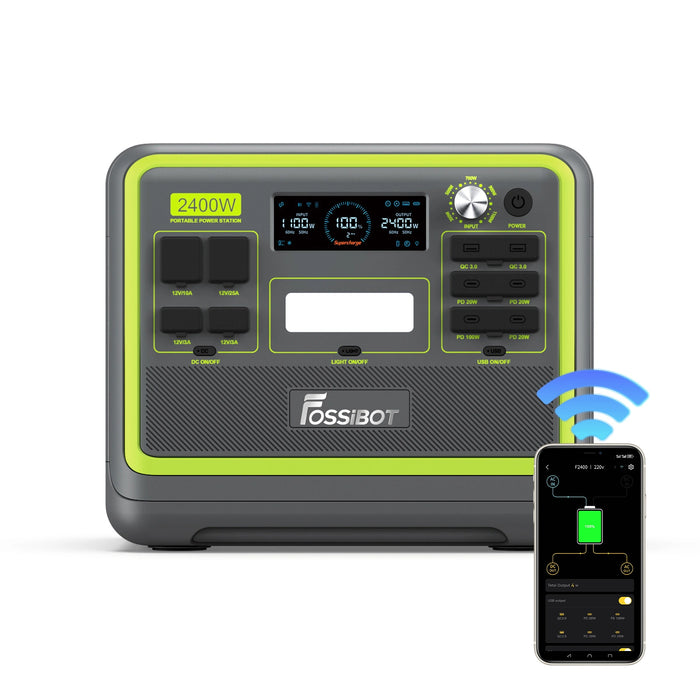
For example, a 2048Wh portable power station such as the FOSSiBOT F2400 can provide substantial emergency energy for essential home equipment.
With:
- 2048Wh battery capacity
- 2400W AC output
- LiFePO4 battery technology
- Long cycle life
it can support not only sump pumps but also other emergency devices during outages, including:
- Refrigerators
- WiFi routers
- Lights
- Mobile devices
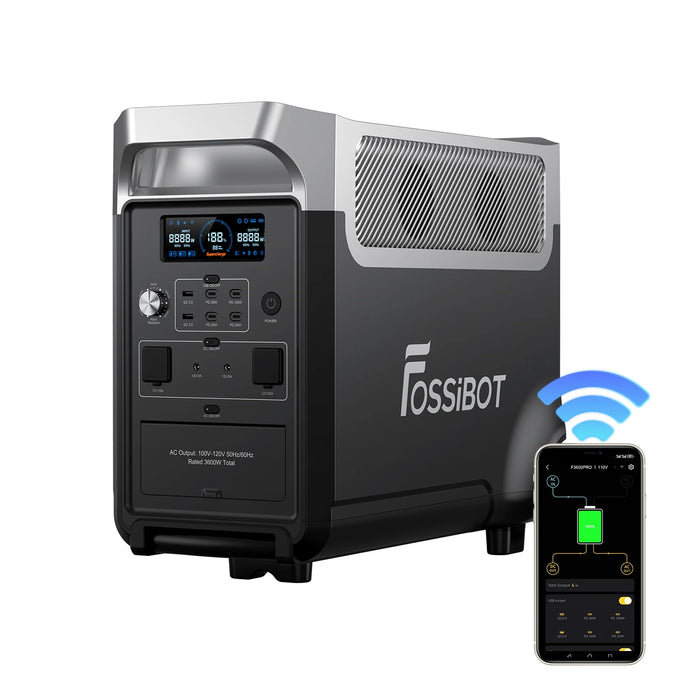
For longer outages or larger backup needs, the FOSSiBOT F3600 Pro provides even more capacity and output for extended home backup scenarios.
Portable Power Station vs Battery Backup Sump Pump
Homeowners often compare two solutions:
Battery Backup Sump Pump System
A secondary pump system usually includes an additional battery, a backup pump, and automatic switching.
Advantages:
- Works automatically
- Dedicated for sump pump protection
Limitations:
- Only powers the sump pump
- Requires battery replacement over time
Portable Power Station
Advantages:
- Powers multiple devices
- Rechargeable through AC or solar
- Useful beyond storms
Limitations:
- Requires manual setup (though UPS mode can automate switching)
During an emergency, one portable power station can support basement protection, communication devices, food storage, and lighting. For homeowners who want flexible emergency power, a portable power station can serve as a broader backup solution.
How to Prepare Your Sump Pump Before Storm Season
Having backup power is only one part of storm preparation.
Test Your Sump Pump Regularly
Before severe weather arrives:
- Pour water into the sump pit
- Confirm the pump starts automatically
- Check that water exits properly
- Listen for unusual noises
Keep Your Backup Power Ready
Make sure your portable power station is:
- Fully charged (80%–100% during storm warnings)
- Stored in an accessible location
- Placed on a raised shelf to avoid potential wet floors
- Connected with the correct cables
If you live in an area with frequent storms, consider adding solar charging capability so you can recharge even during extended outages.
Why Choose FOSSiBOT for Sump Pump Backup Power?
A reliable backup power solution should do more than keep one device running. During storms and emergencies, homeowners may need power for multiple essentials.
FOSSiBOT portable power stations combine:
- High‑capacity LiFePO4 batteries
- Powerful AC output
- Multiple charging options
- Long battery lifespan
The FOSSiBOT F2400 is designed for home backup scenarios with:
- 2048Wh capacity
- 2400W output
- LiFePO4 battery
- UPS functionality (switches to battery in <20ms)
For users who need longer backup time, the FOSSiBOT F3600 Pro offers:
- 3840Wh capacity
- 3600W output
- Expandable home backup capability
Whether it is a sump pump during a storm, a refrigerator during a blackout, or essential electronics during an emergency, a portable power station provides a flexible way to stay powered.
FAQ
Can a portable power station run a sump pump?
Yes. A portable power station can run a sump pump if it provides enough continuous power and surge capacity for the pump motor.
What is the best backup power for a sump pump during a storm?
The best option depends on your pump requirements and backup needs. A portable power station with sufficient wattage and battery capacity can provide quiet, reliable emergency power without fuel.
How do I power a sump pump during a power outage?
You can power a sump pump using solutions such as portable power stations, battery backup sump pump systems, or gas generators. The right choice depends on your budget, runtime needs, and how many devices you want to support.
How long can a battery backup run a sump pump?
Runtime depends on battery capacity, pump wattage, and how frequently the pump operates. Larger battery systems generally provide longer backup time. Use the formula: Runtime (hours) = [Battery Capacity (Wh) × 0.85] ÷ Pump Running Wattage.
Can a solar generator power a sump pump?
Yes. A solar generator can power a sump pump when it includes enough battery capacity and inverter output. Solar charging can also help extend backup time during longer emergencies.
Conclusion
A sump pump is one of the most important devices for protecting homes with basements, especially during severe weather. But a sump pump can only protect your home when it has electricity. Power outages caused by storms can happen at the exact moment your basement is most vulnerable. Having reliable backup power for a sump pump can help prevent flooding, reduce damage, and give homeowners greater peace of mind.
A portable power station provides a quiet, clean, and flexible alternative to traditional generators. With enough capacity and output, it can keep your sump pump running while also powering other essential devices during emergencies.
Don't wait until the water rises. Assess your sump pump's wattage today, choose a backup solution that meets its surge demands, and invest in the peace of mind that comes with a dry basement. Preparing before the storm arrives is always easier—and far cheaper—than dealing with the damage afterward.


